

 Nature Creation
 HOT POCKETS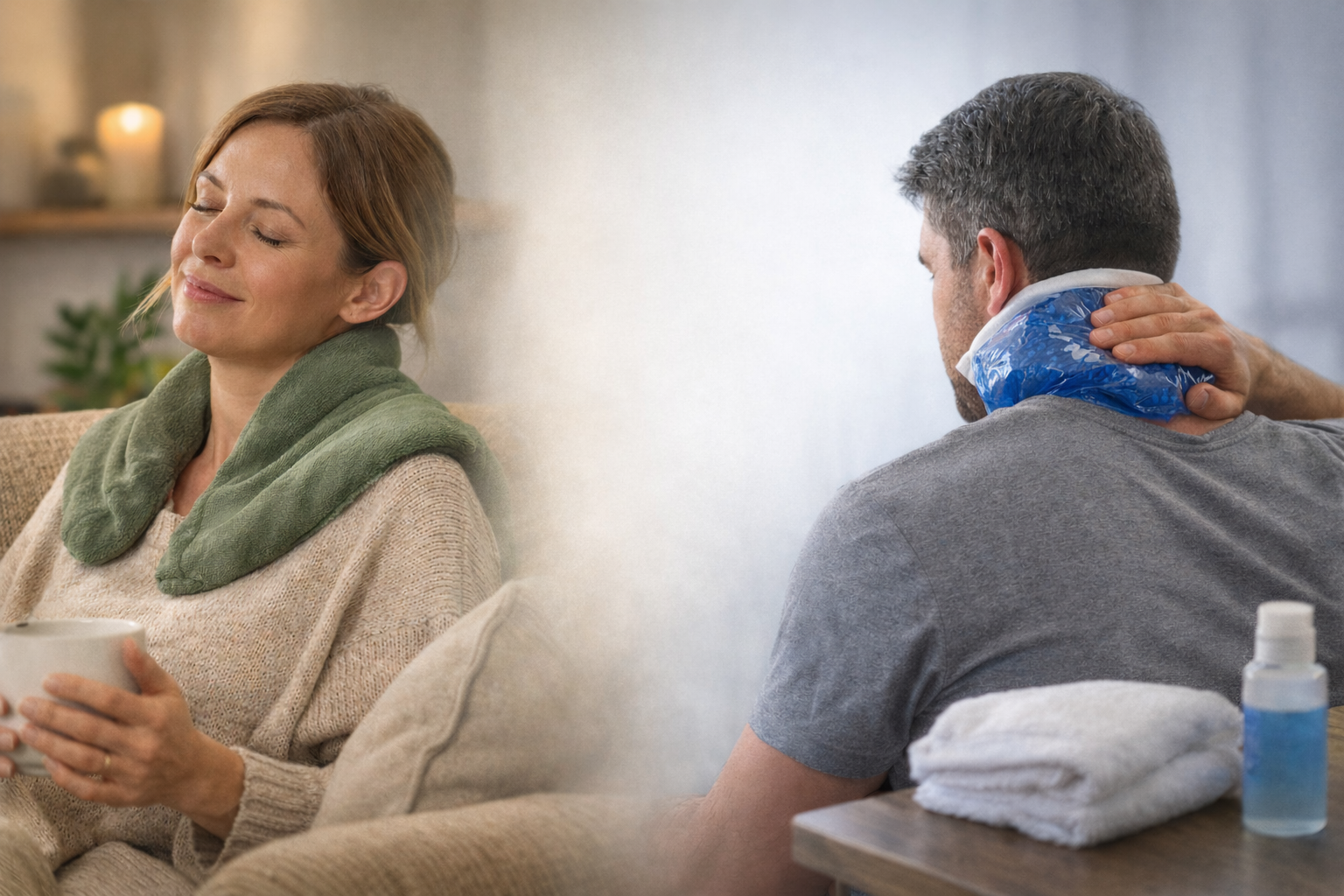
Neck pain can happen quietly.
It can happen after a long day at work. Sometimes, it appears at the time you get up. It can also develop slowly due to stress that sits on the shoulders.
When discomfort begins to manifest, the first question that individuals ask is a simple one:
Should I apply the heat or ice to relieve neck discomfort?
Both approaches are common practices and can also be helpful. However, they operate differently, and picking the right one can make a significant difference in how quickly your neck feels better.
Let’s take a look at what actually happens.
Understanding Why Neck Pain Happens
Before deciding on the right treatment method, it is important to understand the causes of neck pain.
The neck has more responsibility than we think. It provides support for the head, helps stabilize movement, and reacts swiftly to shifts in posture.
The most common causes for neck discomfort comprise:
- Poor posture when at work or when using a phone
- A slumbering position is an awkward position
- Muscle strain due to long hours of sitting
- Stress from emotional sources stored inside the shoulders
- Muscles that are tight, cold, and don’t completely relax
In many cases, neck pain isn’t caused by an injury. It’s caused by muscle tension and limited circulation. This is where heat and ice come into play.
When Ice Helps Neck Pain
The use of ice therapy is generally beneficial to treat new inflammation.
The cold reduces swelling by constricting blood vessels. This lessens inflammation and numbs the affected area somewhat.
Ice could be beneficial in the following situations:
- The pain erupted suddenly following an injury
- There is a noticeable swelling
- The area is warm or itchy.
- The incident occurred in the last 24 hours.
In these instances, a cold wrap can help soothe tissue irritation. But it does have a drawback.
Although it can reduce swelling, it may also make muscles tighter if it is used for too long. For many people who experience regular neck pain, this isn’t always the most effective solution.
When Heat Works Better
Heat is a different way of working.
Instead of limiting blood flow, warmth increases circulation. Warm temperatures help nutrients and oxygen reach tight muscles, helping them relax and heal.
It makes the heat particularly effective in:
- Muscle stiffness
- Neck pain after sleeping
- Tension in the shoulder due to stress
- The long hours in desk jobs
- Chronic neck tightness
When your neck is stiff, rather than swelling, heat is the best choice.
Warmth gently signals to the body to ease into relaxation. Muscles relax, breathing is slowed, and tension begins to ease.
This is why many get relief in the first few minutes after applying the heat.
Why is it often Better after a Night’s Sleep?

Neck tension can increase during the daytime. The pressure of work, as well as screen time, commuting, and everyday responsibilities, puts a little strain on the upper back and shoulders. As the evening approaches, muscles could already be stretched.
Gently warming up before bed can help the body transition into a state of relaxation.
A wrap-style heat pad, like a Neck and Shoulder Heating Pad, allows you to comfortably position warmth around the shoulders and upper back as you take off. Since it’s cordless, it can be used during reading, reclining, or getting ready to sleep.
This type of warmth can help ease tension that could otherwise be over the course of a night.
And when neck muscles relax before sleep, mornings can feel better.
Can Ice and Heat Be Utilized Together?
In certain instances, alternating cold and heat can be helpful.
For example:
- Ice can help ease the initial annoyance
- The heat can help relax muscles later on
For everyday neck tension, most people are better off with steady, mild warmth rather than switching between them.
Consider the heat as a preparation to recover. It provides the ideal conditions for muscles to relax.
Moist Heat is the Reason Why it Works Particularly Well
All heat isn’t identical. Moisture tends to penetrate more deeply than heat from dry. It allows heat to move through muscle tissue more efficiently, helping soften tight areas gradually.
This is the reason why many choose to use microwave-friendly or herbal heating pads. They are easy, natural and convenient to apply before bed.
Unlike electronic pads that require you to be plugged in, these wraps let you move freely while you relax.
Warmth will become an integral part of your routine and not something to think about.
An Easy Night Routine for Neck Relief
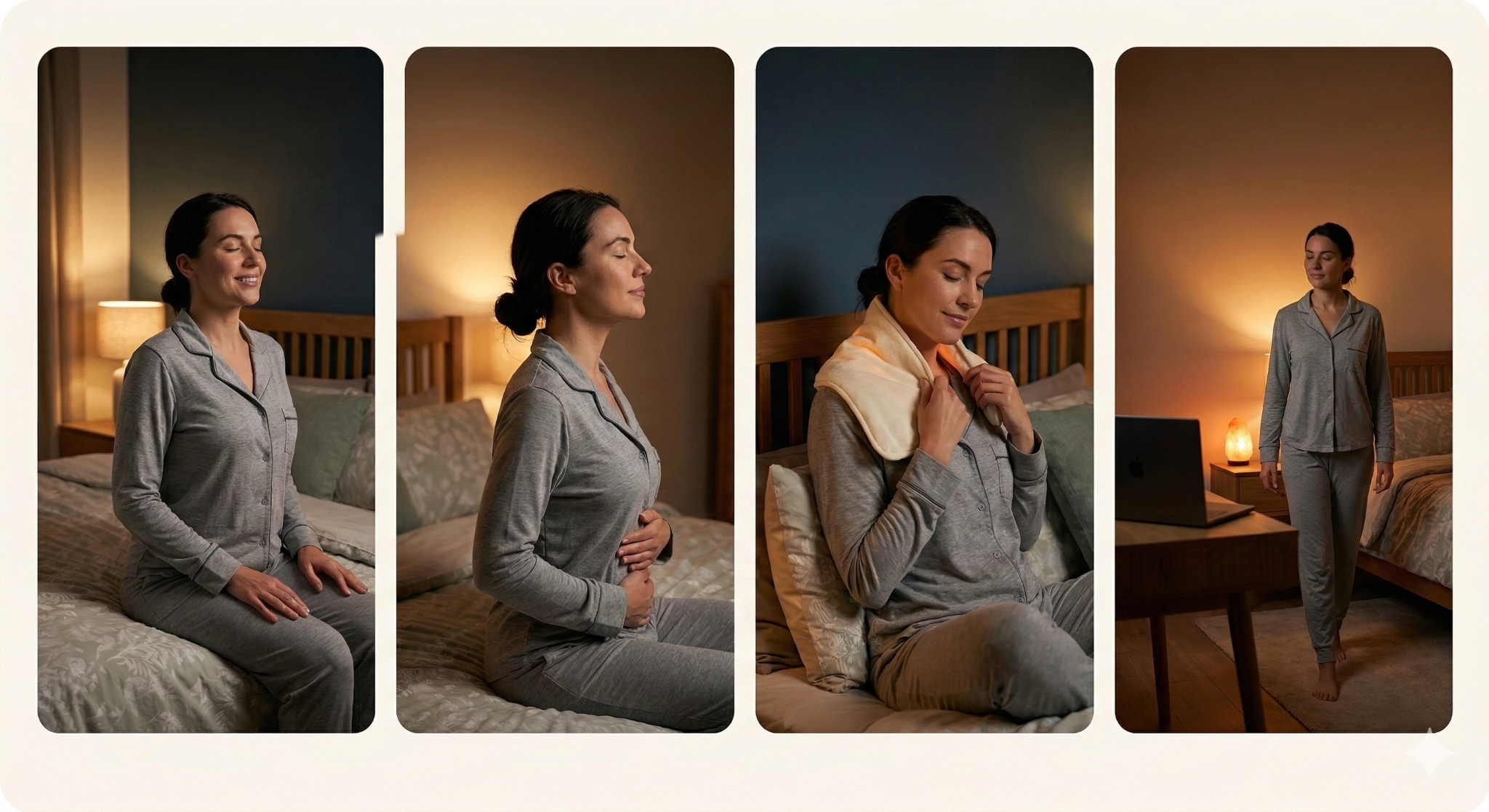
If you are prone to neck pain after sleep or during hectic weeks, a simple nightly routine can ease stiffness.
Do this:
- Sit at a good height and roll your shoulders backwards ten times.
- Take deep, slow breaths for a minute.
- Apply gentle heating to your shoulders and neck for about 15 minutes
- Dim the lights and walk away from screens before bed
These steps help your body switch from alert mode to a resting state.
In time, this practice can lower the frequency of neck discomfort.
If you’re interested in making use of heat safely as an element of your sleep preparation and preparation for sleep, check out our collection at Nature Creation. Our products will benefit from sleeping with a heating pad, which will explain when and how therapy aids in deeper sleep.
So… Heat or Ice?
The answer depends on the type of pain.
Ice is helpful to reduce swelling and injury.
Heating aids when muscles are stiff, tight, or fatigued.
For the majority of neck pain caused by stress, posture, or sleep posture, heat can offer quicker and longer-lasting relief.
Warmth stimulates the body to slow down. Muscles relax. Circulation increases.
The neck finally gets the rest it deserves.
Small Changes can Make an Impact
Neck pain doesn’t happen overnight. It develops slowly over time through everyday routines.
However, the best part is that it can be resolved with small, easy changes.
Better posture.
Gentle evening stretches.
And then a few moments of warmth before going to bed.
Once your body has learned how to relax, you will feel more comfortable.
Since sometimes the most efficient solution may also be the easiest one:
providing your muscles with the comfort they’ve been waiting to experience.